
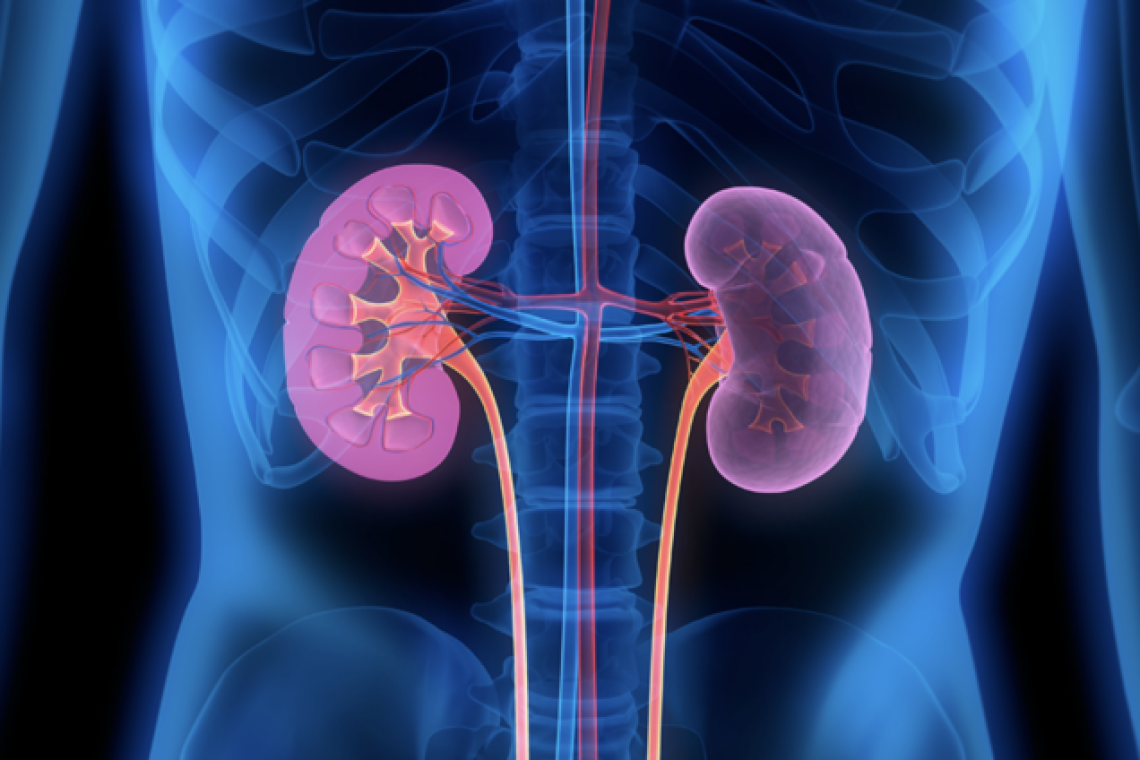
Health experts have issued a stark warning regarding a "silent" public health crisis unfolding in Ghana. Recent data reveals that approximately 13% of the adult population—roughly
four million people—are currently living with Chronic Kidney Disease (CKD).
In an interview with the Ghana News Agency, Dr. Mensah Amoah, a Physician Specialist and Nephrology Fellow, sounded the alarm over the fact that a vast majority of these cases remain undiagnosed until they reach a catastrophic stage.
1. The Tragedy of Late Detection
The most concerning trend in Ghana’s health landscape is the late stage at which patients seek help. Unlike developed nations where early screening is routine, most Ghanaian patients report only when they have reached Stage Five (End-Stage Renal Disease).
-
Productivity at Risk: Alarmingly, the most affected demographic falls between the 20 to 50 age group, representing the backbone of Ghana’s workforce.
-
The "Silent" Factor: CKD often presents no symptoms in its early stages. By the time a patient feels "sick," the kidneys have often already suffered irreversible damage.
-
Cost of Care: Once kidney failure occurs, the only life-sustaining options are dialysis or a transplant—services that remain prohibitively expensive and geographically inaccessible for many.
2. Early Detection: The NHIS Lifeline
Dr. Amoah emphasized that CKD is not a death sentence if caught early. Simple, inexpensive interventions can delay or even stop the progression of the disease.
The Screening Toolkit:
| Urinalysis | NHIS Covered | Detects protein or blood, early warning signs of damage. |
| Kidney Function Test | Widely Available | Measures how effectively the kidneys are filtering waste. |
| Blood Pressure Check | Universal | Identifies hypertension, a leading cause of CKD. |
3. Lifestyle and "Hidden Toxins"
Preventive care starts with daily choices. Dr. Amoah pointed to high salt intake and the misuse of medications as primary drivers of the epidemic.
-
Dietary Hazards: Processed meats (sausages, corned beef), salted fish, and canned foods are loaded with salt, which spikes blood pressure.
-
Medication Misuse: Frequent use of common painkillers (NSAIDs) can reduce blood flow to the kidneys.
-
Herbal Toxicity: The Physician warned against unregulated herbal remedies. He cited a case of a 21-year-old whose stage 4 kidney disease was linked to years of taking herbal preparations for menstrual issues.
4. Roadmap to Prevention
To combat the rising numbers, the medical community is recommending a four-pillar approach to kidney health:
-
Annual Screening: At least one urinalysis and kidney function test per year.
-
Strategic Diet: Prioritizing whole fruits over sugary juices and reducing salt.
-
Active Living: 30–60 minutes of physical activity (brisk walking/jogging) 3 to 5 times a week.
-
High-Risk Monitoring: Individuals with Hypertension, Diabetes, HIV, or Hepatitis B must check their kidney health quarterly.
The Bottom Line
Chronic Kidney Disease is a "Silent Thief" of both lives and economic potential in Ghana. However, with Urinalysis covered under the NHIS, the first step toward prevention is free and accessible. The message from the 2026 health front is clear: do not wait for symptoms to appear; your kidneys may already be in trouble.