
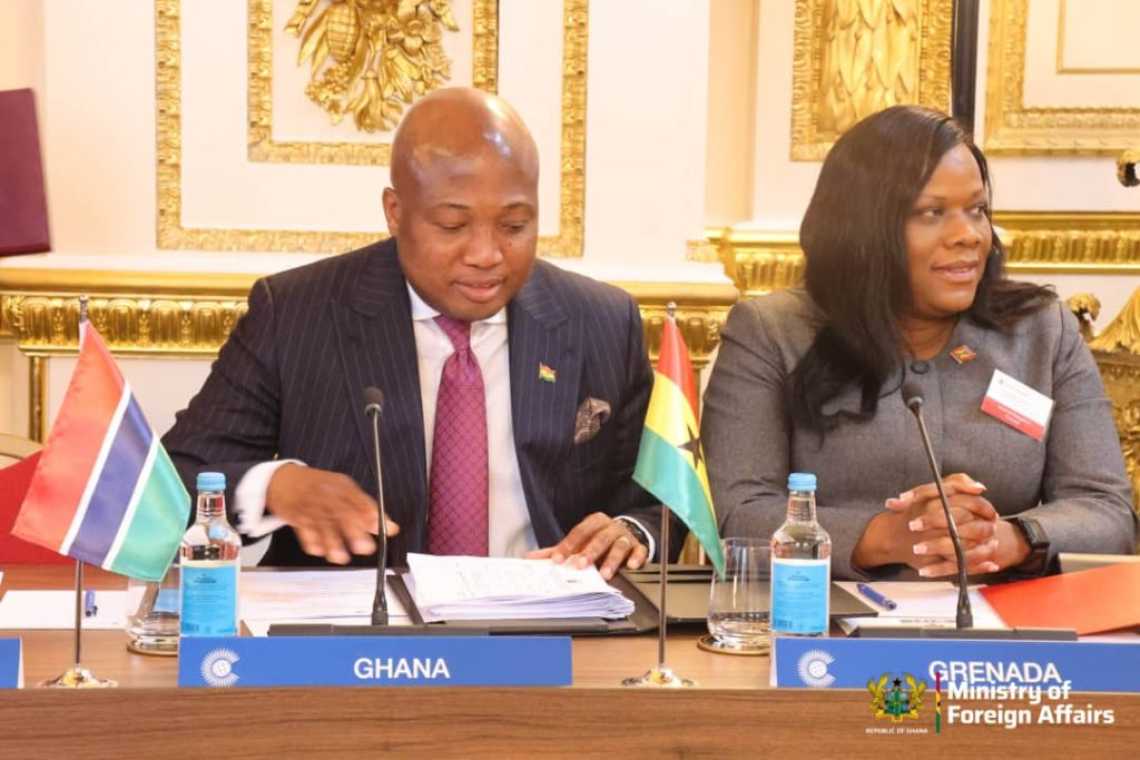
In a high-stakes diplomatic move at the 26th Commonwealth Foreign Affairs Ministers Meeting in London, Ghana has formally requested all 56 member states to back a landmark
United Nations resolution. The resolution, set for a historic vote on March 25, 2026, seeks to officially recognize the transatlantic slave trade as the "greatest crime against humanity."
Addressing his counterparts, Ghana’s Minister of Foreign Affairs, Mr. Samuel Okudzeto Ablakwa, emphasized that the resolution is not merely a symbolic gesture but a critical precursor to the pursuit of reparative justice and restitution.
1. A Push for Global Recognition
Mr. Ablakwa noted that while the scale of the transatlantic slave trade is well-documented, a formal UN declaration of this magnitude would provide a definitive legal and moral framework for addressing its enduring consequences.
The Strategy for March 25:
-
Global Consensus: Ghana aims to turn a "continental consensus" (backed by the African Union) into a global mandate.
-
Reparative Justice: The Minister explicitly linked the resolution to the ongoing dialogue regarding financial and cultural restitution for affected nations.
-
Historical Accountability: The goal is to move beyond acknowledgment toward a structured international dialogue on justice.
2. The Role of the Commonwealth
The appeal to the Commonwealth is particularly significant given the shared history of its member states. Ghana is positioning the organization to lead the global discourse on historical accountability.
"We know that we can count on the Commonwealth for reparative justice and restitution in this matter. We urge member states to support this initiative, which declares the transatlantic slave trade as the greatest crime against humanity." — Mr. Samuel Okudzeto Ablakwa
3. The reparative Justice Framework
The "Reparative Justice" model being advocated by Ghana and the African Union typically involves several pillars aimed at addressing the "greatest crime against humanity."
| Pillar | Objective |
| Formal Apology | State-level recognition of the trade as a crime against humanity. |
| Cultural Restitution | The return of looted artifacts and ancestral remains to their origins. |
| Developmental Aid | Debt cancellation and infrastructure investment in heavily affected regions. |
| Educational Reform | Correcting historical narratives in global curricula to reflect the true impact of the trade. |
The Bottom Line
With the vote just 15 days away, Ghana’s diplomatic mission in London is focused on securing a "Yes" vote from the Commonwealth’s most influential players. Should the resolution pass at the UN on March 25, it will represent the most significant "Diplomatic Reset" regarding the transatlantic slave trade since the Durban Declaration of 2001.