
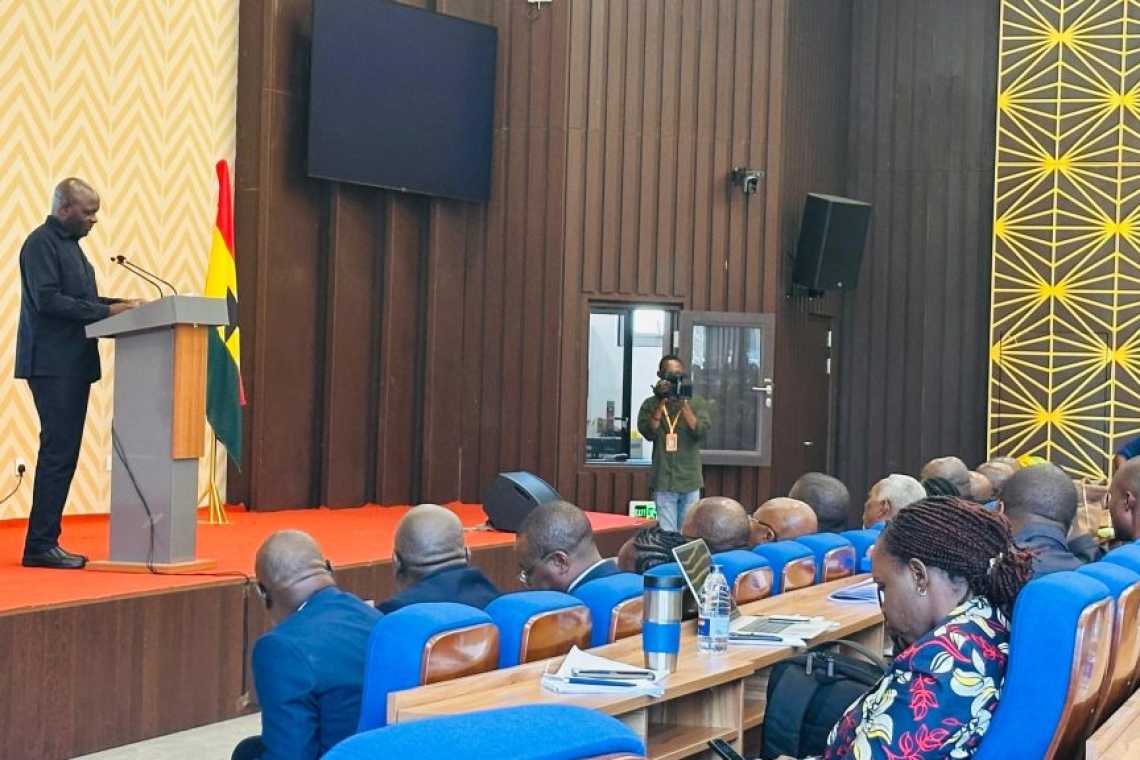
In a move described as a "decisive shift from potential to performance," Ghana and Zimbabwe have officially inaugurated the Technical and Ministerial Meetings of their first Permanent Joint Commission for Cooperation (PJCC) in Accra.
Despite diplomatic ties dating back to Zimbabwe's independence in 1980—and roots in the liberation struggles supported by Osagyefo Dr. Kwame Nkrumah—this 2026 summit marks the first time both nations have met in a structured format to institutionalize economic exchange. The commission follows the 2023 General Framework Agreement and aims to finalize over 20 Memoranda of Understanding (MoUs) across critical sectors.
1. The Strategic Trade Exchange: AfCFTA in Action
With the AfCFTA Secretariat hosted in Accra, both delegations emphasized that the PJCC is a practical application of the African Continental Free Trade Area. The goal is to remove non-tariff barriers and establish "trade facilitation mechanisms," such as dedicated warehouses, to ease the movement of goods.
Proposed Comparative Advantage Exchange: | Zimbabwe Exports to Ghana | Ghana Exports to Zimbabwe | | :--- | :--- | | Maize & Grains | Cocoa-based Products | | Organic Beef | Textiles & Garments | | Sugar & Horticulture | Shea Butter & Cosmetics | | Mineral Processing Tech | Digital Payment Solutions |
2. Mining, Energy, and the "Twinning" of Icons
The PJCC is targeting high-impact sectors where both nations face similar challenges, particularly in the extractive industries and tourism.
-
Mining & Mineral Beneficiation: Collaborative frameworks to tackle illegal mining (galamsey) and share technology for value-addition (beneficiation) of raw minerals.
-
Energy Transition: Partnerships in oil and gas development alongside new renewable energy initiatives.
-
Tourism Twinning: A unique proposal to "twin" world-class heritage sites—Cape Coast/Elmina Castles in Ghana and Victoria Falls in Zimbabwe—to create joint destination marketing packages for the global African Diaspora.
3. Closing the "Indictment" Gap
Ambassador Albert Ranganai Chimbindi, Zimbabwe’s Permanent Secretary for Foreign Affairs, noted that it was a "serious indictment" that the two nations were only now establishing a structured PJCC decades after formalizing relations.
Ambassador Khadija Iddrisu, Chief Director of Ghana’s Ministry of Foreign Affairs, echoed this sentiment, describing the meeting as a "Moral and Economic Reset." She stressed that the success of the commission would not be measured by the number of MoUs signed, but by measurable development gains for the citizens of both republics.
4. Context: The 2026 "Global Africa" Momentum
The Ghana-Zimbabwe PJCC aligns with several other high-level diplomatic "Resets" occurring in Accra this week:
-
The "Justice Reset": AU and UN recognition of the slave trade as a crime against humanity.
-
The "Industrial Reset": GEXIM’s $300M export-ready portfolio launch.
-
The "Legal Reset": Parliament's passage of the Legal Education Reform Bill to decentralize lawyer training.
The Bottom Line
The inaugural PJCC represents a transition from "Longstanding Goodwill" to "Actionable Partnership." By aligning their 20 priority areas with the AfCFTA framework, Ghana and Zimbabwe are attempting to prove that Pan-Africanism can be a viable economic engine. As Ambassador Iddrisu concluded, the task is now to ensure this engagement marks a permanent turning point in the "Narrative of Africa" by delivering real results at the doorstep of the average citizen.