
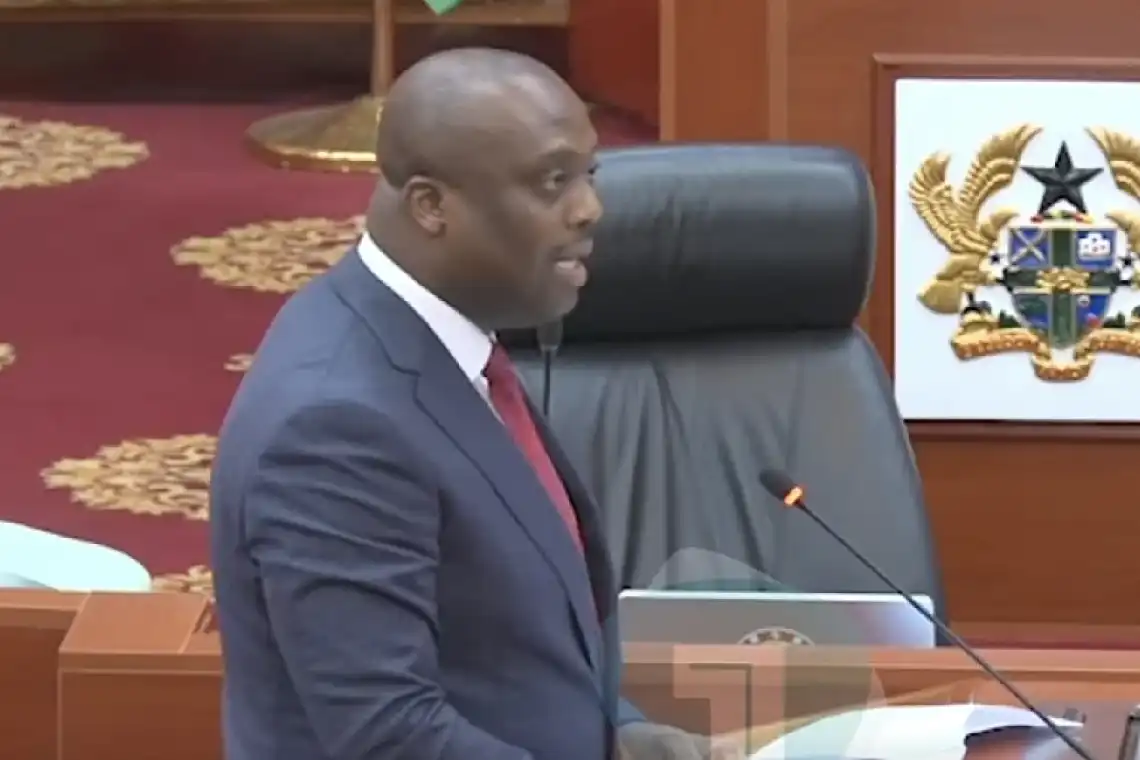
In a landmark presentation to Parliament on Tuesday, the government unveiled the Auditor-General’s Report on Arrears and Payables (ending December 31, 2024). The report,
presented by Deputy Finance Minister Mr. Thomas Nyarko Ampem on behalf of Dr. Cassiel Ato Forson, detailed a systematic attempt to defraud the state of billions of Ghana Cedis through falsified claims and weak institutional controls.
The audit, a high-stakes collaboration between the Ghana Audit Service, EY (Ernst & Young), and PwC, scrutinized GH¢68.7 billion in claims submitted to the Ministry of Finance. The results have triggered an immediate referral to the Attorney-General for criminal prosecution.
1. The Validation Breakdown: Validated vs. Rejected
Of the total claims reviewed, only a portion met the legal and evidentiary requirements for payment. The audit effectively "blocked" billions of cedis from being siphoned out of the national treasury.
-
Validated for Payment: GH¢45.4 billion.
-
Rejected Outright: GH¢8.1 billion (Citing lack of documentation, recycled invoices, and "no work done").
-
Pending Justification: GH¢13.3 billion (Currently under further review).
2. Notable Irregularities: 1D1F and Agriculture Discrepancies
The report highlighted specific "red flag" cases where claims were not only unsupported but arguably fictitious.
-
The 1D1F "Ghost Debt": A claim of GH¢89.4 million under the One District, One Factory initiative was exposed as fictitious after five commercial banks denied any liability.
-
Agricultural Relief Discrepancies: The audit found missing quantities of rice and maize intended for dry spell relief, alongside inflated transport costs in the Farmer Food Relief and Recovery Programme.
-
Education Arrears: GH¢160 million in "unfounded" arrears were reported for teacher trainees.
3. The "Recycling" Tactic: GH¢4.4 Billion in Duplicated Claims
One of the most sophisticated irregularities discovered was the use of recycled claims worth GH¢4.4 billion. Fraudulent actors reportedly submitted the same invoices across multiple ministries, hoping that weak inter-departmental communication would allow for double or triple payments.
"This audit has exposed a rotten system designed to fleece the people of Ghana. The Ministry of Finance will no longer serve as a rubber stamp for weak controls and falsified claims." — Hon. Thomas Nyarko Ampem
| Type of Irregularity | Estimated Financial Impact |
| Recycled/Duplicated Claims | GH¢4.4 Billion |
| Unsupported Documentation | GH¢2.1 Billion |
| Fictitious 1D1F Debt | GH¢89.4 Million |
| Unfounded Teacher Arrears | GH¢160 Million |
4. Next Steps: Prosecution and the "Decisive Break"
First Deputy Speaker Bernard Ahiafor has referred the report to the Public Accounts Committee (PAC), with a mandate to report back to the plenary within three weeks.
The "Mahama Reset" Policy on Payments:
-
Full Verification: No payment will be released without multi-stage validation.
-
Budgetary Allocation: No government commitment can be entered into without an existing, approved budget.
-
Prosecution: Implicated individuals and institutions will face the Attorney-General to answer for fraudulent practices.
The Bottom Line
The 2024 Arrears Audit is being framed by the government as a "Decisive Break from the Past." By utilizing private-sector expertise from EY and PwC to audit public sector claims, the Ministry of Finance is attempting to restore international investor confidence and ensure that every cedi of the taxpayer's money is accounted for.